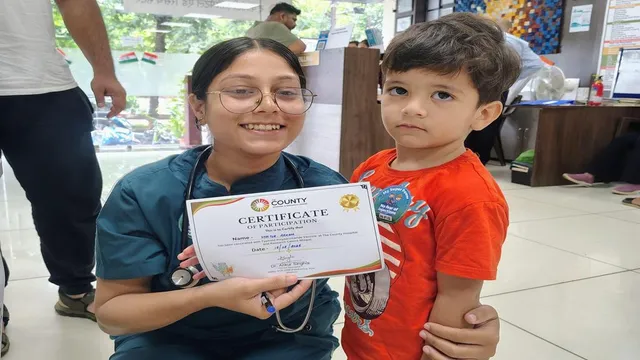

It is easy to leave your health alone until something feels wrong. Most of us do. But the conditions worth catching are precisely the ones that do not feel like anything for years, and an annual check-up is the simplest way to stay ahead of them.
Early detection
This is the main argument for a yearly visit. Several serious conditions — diabetes, high blood pressure, some cancers — show little or no symptom in their early stages. A routine screening picks them up while they are still straightforward to treat, which is a very different situation from finding them once they have begun to cause trouble.
Preventive care
Prevention beats cure, and a check-up is where prevention gets planned. Your doctor can weigh your risk against your age, your lifestyle and your family history, then recommend what actually applies to you — a change in diet, more activity, a vaccination, a test repeated in six months rather than twelve.
Tracking your health over time
A single reading tells you less than a series of them. When your doctor can compare this year’s numbers with last year’s, a trend becomes visible: blood pressure creeping up, cholesterol drifting in the wrong direction. Those are far easier to correct while they are still trends.
Knowing your doctor
An annual visit is also how a patient and a doctor come to know each other. The more your doctor understands about your history, your habits and what worries you, the more specific and more useful the advice becomes.
Mental health counts too
A check-up is not only about the body. If you have been feeling persistently stressed, anxious or low, say so at the visit. Your doctor can talk it through, suggest what might help, or refer you to a specialist. It belongs in the same conversation as your blood pressure.
What a check-up usually covers
Depending on your age, sex and medical history, a check-up may include:
- Blood pressure measurement
- Cholesterol and blood sugar levels
- Body mass index
- Cancer screenings appropriate to your age and sex
- Vision and hearing tests
- Bone density testing for older adults
- Any immunisations or boosters that are due
Your doctor decides which of these you actually need. Nobody needs all of them every year, and a check-up should be built around your risk rather than around a fixed list.
The cost argument
People often skip check-ups on cost. In practice the arithmetic usually runs the other way: catching something early, or preventing it altogether, costs far less than treating it late. Many insurance policies also cover preventive services, so it is worth asking your insurer what is included before you assume it is not.
Living better between visits
A good part of the value of a check-up is the conversation that follows it — what to eat, how much to move, how to handle stress in a way that fits your life rather than someone else’s. Small changes held steadily do more than large ones abandoned in a month.
Annual check-ups are a modest habit with a disproportionate return. If it has been more than a year, book an appointment or look through our health check-up packages and pick the one that fits.